He Splashed an Old Woman and Stole the Handicap Spot. Then She Pulled Out a City Radio
A man splashed an elderly woman, took the handicap spot with a fake placard and mocked her. Then she called in a tow truck. The placard's real owner shocked him.
On this page
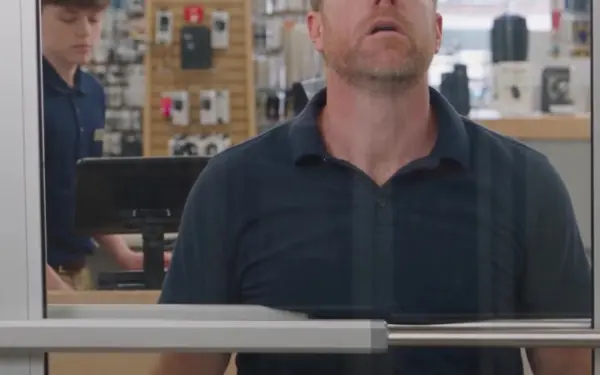
On a cold, rainy Tuesday morning in Parma, Ohio, 74-year-old Dorothy Kowalski was limping across a pharmacy parking lot with her cane when a black luxury SUV cut in front of her, hit a deep puddle and drenched her in freezing water. The SUV swerved into the handicap spot. The driver jumped out, grinned and shouted, “Should’ve been faster, Grandma!”
He strutted inside without a limp, laughing into his phone. A man walking by muttered, “That placard’s fake.” Dorothy leaned in and read the number on the blue placard hanging from the mirror.
Minutes later, a tow truck backed up behind the SUV. Dorothy calmly pulled a city radio from her coat and said, “Unit four, the black one with the fake placard. Hook it.” As the man sprinted toward his car and the tow chains clanked tight, she called after him: “Should’ve been faster.”
Who Dorothy Really Was
Dorothy was a volunteer with the city’s accessible parking patrol, a program in which trained residents, many of them seniors or people with disabilities themselves, help police enforce handicap parking rules. She had joined two years earlier. She carried a radio and an ID badge, and she worked closely with the city’s contract tow company. That morning, she had come to the pharmacy simply to pick up her blood pressure medication. She wasn’t even on shift.
But she wasn’t going to let it go. Not this time.
The Man in the Wool Coat
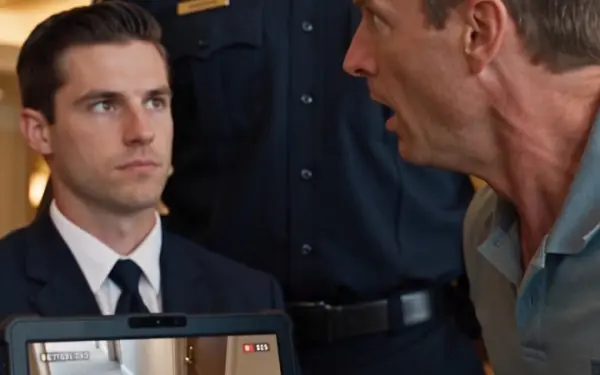
By the time the man reached the SUV, its front wheels were already off the ground. He shouted at the tow driver, waved his wallet, then turned on Dorothy. “You can’t do this! That’s a legal placard! Do you know who I am?”
“No,” Dorothy said. “But I know whose placard that is.”
A police cruiser pulled into the lot a minute later. The officer knew Dorothy by name. She handed him a slip of paper with the placard number written on it in neat handwriting. He ran it through his computer. Then he looked up at the man for a long moment.
“Sir,” the officer said, “this placard was reported stolen eight months ago. It’s registered to a Walter Kowalski.”
The man frowned. “So? I bought it online. Who’s Walter Kowalski?”
Dorothy’s voice was very quiet. “He was my husband.”
The Placard
Walter had been a steelworker for thirty-eight years. In his last years, emphysema left him barely able to walk from the car to a doctor’s office. The blue placard had hung in their sedan until the day he died. Dorothy had kept it in her glove box afterward. She couldn’t bring herself to throw it away.
Eight months earlier, someone broke into her car outside a grocery store and took her purse, some cash and the placard. She had reported it, but she never expected to see it again.
Then, three weeks before the pharmacy video, she had noticed a black SUV parked in a handicap spot at a gas station, with a placard number she knew by heart. By the time she called it in, the SUV was gone. She had been watching for it ever since.
“I saw that number every day for six years,” she said later. “You don’t forget your husband’s number.”
What Happened to the Driver
The man, a 38-year-old sales manager, admitted to the officer that he’d bought the placard for $50 from a stranger on a resale app because he was “tired of walking in the rain.” He was cited for illegal use of a disability placard and receiving stolen property. His SUV was towed and impounded. Between the fines, the impound fees and the court costs, the morning cost him more than $2,000.
The judge also ordered sixty hours of community service. In a twist the whole town loved, the court assigned him to the city’s senior transportation program, driving elderly residents and people with disabilities to medical appointments. Many of them, every week, to that same pharmacy.
The Ending
The teenage boy’s video went viral across Ohio, and Dorothy became a local celebrity. People recognized her at church, at the grocery store, and at the pharmacy, where staff now walk her to her car on rainy days.
Weeks later, the police returned Walter’s placard to her. She didn’t put it back in her glove box. She framed it, and it now hangs in her living room beside their wedding photo.
And the man in the wool coat? Dorothy says he finished all sixty hours. On his last day, he drove to her house, stood on her porch in the rain and apologized. Then he held an umbrella over her all the way to her car.
“Took him long enough,” she said, smiling. “But he got faster.”
More Stories Like This
If this story made you cheer, explore more true-to-life stories on US Drama Hub: everyday people, instant karma, and the quiet heroes who refuse to look away. Share it with someone who always stands up for others.