Her Stolen Horse Was in the Kill Pen Auction Ring. Then the Man Who Took Her Raised His Card
Her stolen palomino showed up in the kill pen sale ring at an Oklahoma livestock auction. Then the man who took her raised his card: five thousand dollars.
On this page
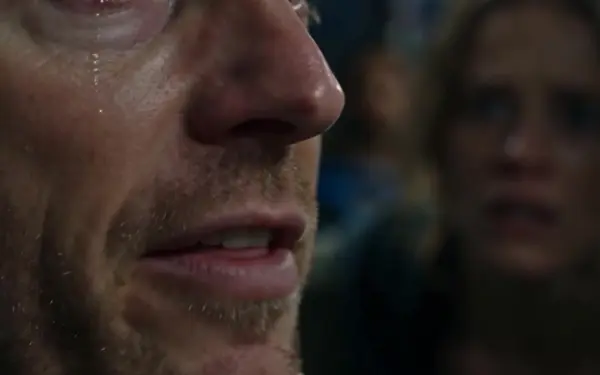
The gavel was already in the air. In the dusty sale barn outside Okmulgee, Oklahoma, fifteen-year-old Maddie Carter stood in the dirt of the auction ring with her arms wrapped around Honey, the palomino mare stolen from her family seven months earlier. Her dad, Wade, had just emptied two hundred and twelve dollars onto the railing. And the man who had stolen the horse was standing at the back of the barn with his card up, bidding five thousand dollars.
The Gavel Came Down, But Not the Way Anyone Expected
The auctioneer, a heavyset man named Earl Dobbs who had been calling sales in that barn for thirty-one years, held the gavel up for a long moment. Then he set it down on the podium without striking it.
“Sale’s suspended on this lot,” he said into the microphone. “Somebody get the sheriff on the phone.”
The man in the gray cap pushed off the wall. “You can’t do that. I bid. That horse is mine.”
“Funny,” Earl said. “That’s what the little lady said.”
The man started walking toward the loading chute instead of the ring. That was his mistake. In a barn full of cattlemen and horse traders, everybody knows that an honest buyer walks toward the horse he just paid five thousand dollars for. Only a guilty one walks toward the door.
Two ranchers stepped in front of the chute. Nobody touched him. They just stood there, arms folded, until he stopped.
Why Would a Thief Bid Five Thousand on His Own Horse?
It took the Okmulgee County deputies about forty minutes to arrive, and it took them about two days to understand what had happened.
The man’s name was Cody Rhine. He wasn’t a horse buyer. He was part of a small ring that stole horses from rural pastures in Oklahoma and Texas, starved them down to hide their condition and their markings, and ran them through sale barns under forged consignment papers. A thin, filthy horse with no papers attracts no attention. Nobody looks twice at a kill pen lot.
But Honey was different. The ring had seen Maddie’s flyers. They had seen her posts in every horse group in four states. They knew a girl was looking for a gold mare with a lightning-bolt blaze. And Rhine had been sitting in the back of that barn for the same reason Maddie had been sitting in the front: to see whether anyone would recognize her.
When the horse broke loose and ran to the girl, the whole barn saw it. Rhine panicked. If Honey sold to the Carters, the sheriff would trace her consignment papers straight back to him. If he bought her back himself, the horse would disappear forever and so would the evidence. Five thousand dollars was a lot of money. Prison was more.
What he didn’t know was that Earl Dobbs had a granddaughter who had lost a horse the same way, years earlier, and never found it.
The Old Man in the Bleachers
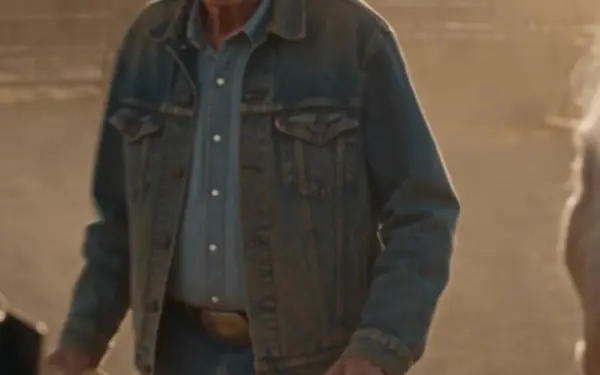
While the deputies were questioning Rhine, an old man in a pearl-snap shirt climbed down from the top row of the bleachers. He walked over to the railing where Wade’s crumpled bills were still sitting, and he set a folded check on top of them.
“For the vet bills,” he said. “And the hoof. That back hoof’s gonna need a farrier who knows what he’s doing.”
He didn’t give his name. Wade tried to give the check back. The old man just tipped his hat and said, “My wife and I lost a dog once. Found him eleven months later at a shelter in Tulsa. You don’t forget the ones who come back.” Then he walked out to his truck and drove away.
The check was for three thousand dollars.
Bringing Honey Home
The sale barn released Honey to the Carters that same evening, once deputies confirmed the consignment papers were forged. Maddie rode home in the back of a borrowed trailer with her, sitting in the straw, one hand on Honey’s neck the whole hour.
The veterinarian said Honey had lost almost three hundred pounds. Her cracked hoof was infected. She had rain rot on her back and worms. “Another week,” the vet said quietly to Wade, “and she wouldn’t have made it to that trailer heading south. Or she’d have made it and not come back.”
It took five months to bring her back to weight. Maddie fed her four small meals a day, every day, before and after school. By spring, Honey’s coat had turned gold again.
What Happened to the Ring
Cody Rhine was charged with larceny of livestock, a felony in Oklahoma, along with forgery. His phone led investigators to two other men and a property in north Texas where eleven more stolen horses were found, all underweight, several with their markings dyed. Seven of them were returned to their families, some of whom had been searching for over a year.
The sheriff who had once told Maddie she was “half asleep” came to the Carters’ house personally to apologize. He brought her a framed copy of the original theft report, with a handwritten note at the bottom: “You were right. Thank you for not giving up.”
Maddie still goes to the sale barn sometimes. Not every other Saturday anymore. Just sometimes. She sits in the front row, and she watches the kill pen lots, and when a horse walks into the ring with its head down, she looks very carefully at its face.
More Stories Like This
If this story moved you, explore more true-to-life stories on US Drama Hub: impossible reunions, quiet heroes, and the moments that bring families back together. Share it with someone who never gives up.